Principal Investigator
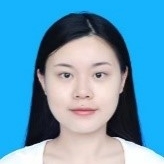
Qi Mao
I am now an associate professor at the School of Information and Communication Engineering and State Key Laboratory of Media Convergence and Communication, Communication University of China.
I have obtained my P.H.D degree from Peking University in July, 2021. (Institute of Digital Media which is directed by Prof. Wen Gao)
I received the B.E. degree in Digital Media Technology and B.A. degree in Journalism in 2016 from Communication University of China.
My current research interests lie in
AIGC (Image/Video Controllable Generation and Editing)
Image/Video Compression based on Generative Models.
I am supervised by Prof. Siwei Ma and have been a visiting Ph.D. student at Vision and Learning Lab at University of California, Merced, under the supervision of Prof. Ming-Hsuan Yang
I am lucky to have opportunities to work with Dr. Hsin-Ying Lee (Snap research), Dr. Hung-Yu Tseng (Meta), Dr.Jia-Bin Huang (University of Maryland), Dr. Shiqi Wang (City University of Hong Kong), Dr. Xinfeng Zhang
(University of Chinese Academy of Sciences), and Dr. Shanshe Wang (Peking University)
PhD
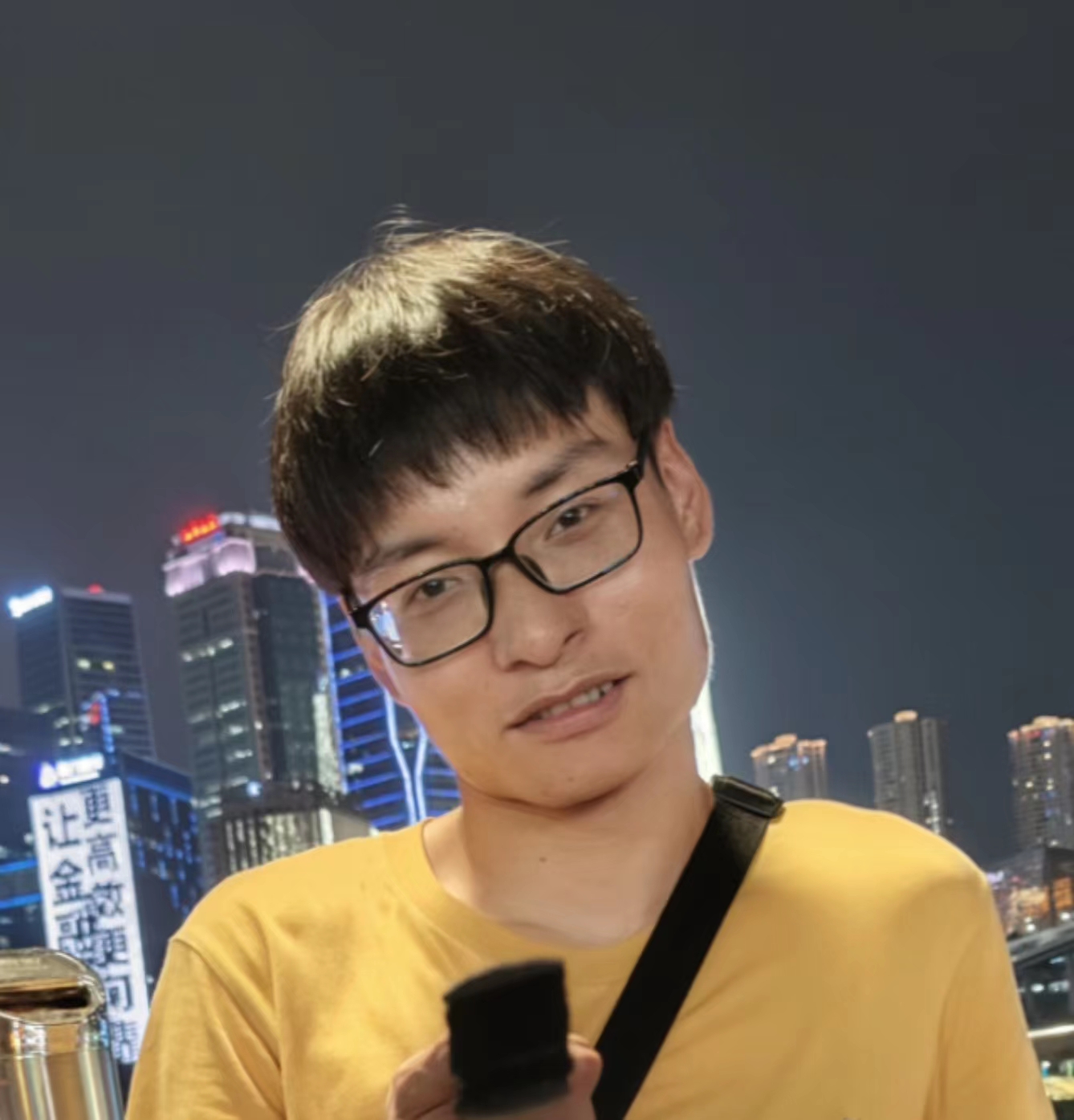
Yuanhang Li
neuroscientist at Duke, where he did his postdoctoral training with Michael
Platt, working on the neurobiology of reward and decision-making. From 2015 to
2018, he was an Assistant Research Professor in the Duke Institute for Brain
Sciences. In 2018, he moved back to the School of Medicine as an Assistant
Professor in the Department of Biostatistics & Bioinformatics, and in 2022, he moved to the
Department of Neurobiology. In addition, he maintains secondary
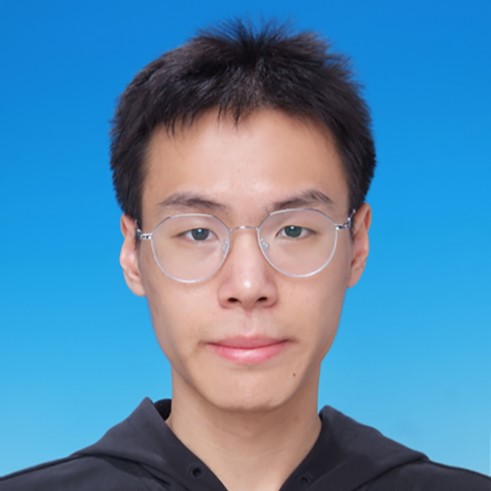
Naifeng Xue
neuroscientist at Duke, where he did his postdoctoral training with Michael
Platt, working on the neurobiology of reward and decision-making. From 2015 to
2018, he was an Assistant Research Professor in the Duke Institute for Brain
Sciences. In 2018, he moved back to the School of Medicine as an Assistant
Professor in the Department of Biostatistics & Bioinformatics, and in 2022, he moved to the
Department of Neurobiology. In addition, he maintains secondary
Graduate Students
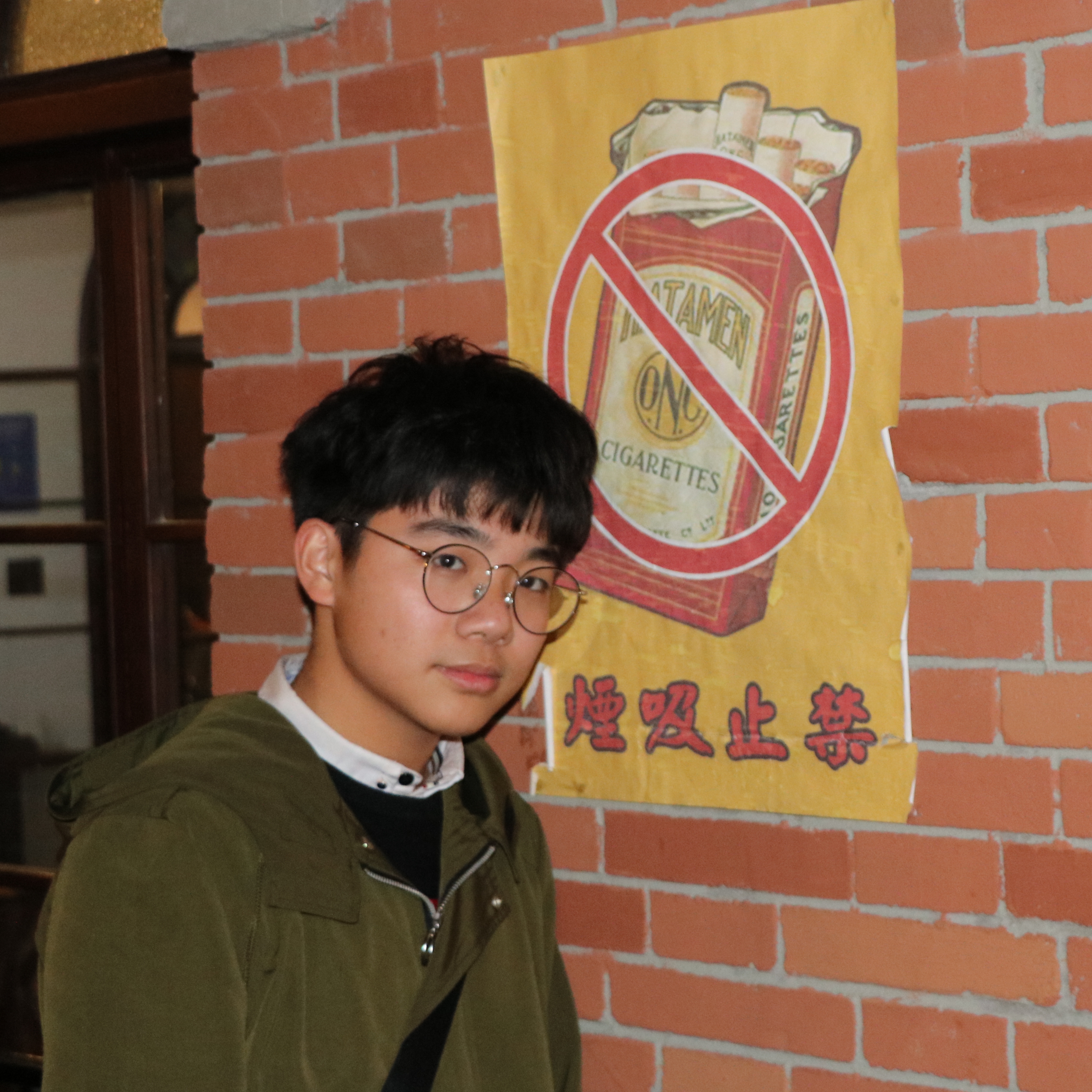
Rundong Chao
neuroscientist at Duke, where he did his postdoctoral training with Michael
Platt, working on the neurobiology of reward and decision-making. From 2015 to
2018, he was an Assistant Research Professor in the Duke Institute for Brain
Sciences. In 2018, he moved back to the School of Medicine as an Assistant
Professor in the Department of Biostatistics & Bioinformatics, and in 2022, he moved to the
Department of Neurobiology. In addition, he maintains secondary
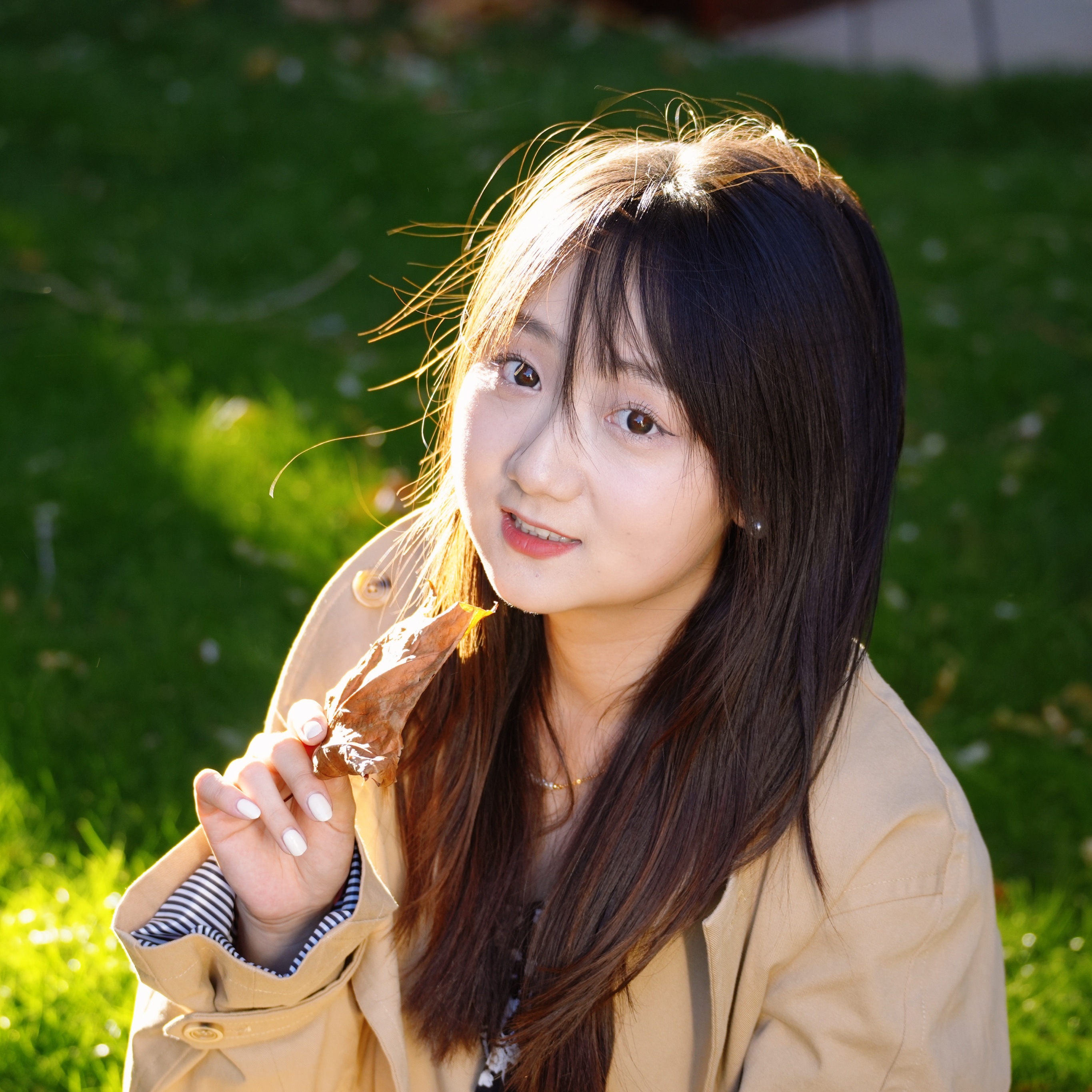
Yujie He
neuroscientist at Duke, where he did his postdoctoral training with Michael
Platt, working on the neurobiology of reward and decision-making. From 2015 to
2018, he was an Assistant Research Professor in the Duke Institute for Brain
Sciences. In 2018, he moved back to the School of Medicine as an Assistant
Professor in the Department of Biostatistics & Bioinformatics, and in 2022, he moved to the
Department of Neurobiology. In addition, he maintains secondary
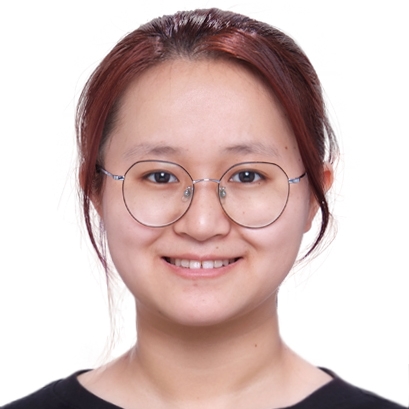
Tinghan Yang
neuroscientist at Duke, where he did his postdoctoral training with Michael
Platt, working on the neurobiology of reward and decision-making. From 2015 to
2018, he was an Assistant Research Professor in the Duke Institute for Brain
Sciences. In 2018, he moved back to the School of Medicine as an Assistant
Professor in the Department of Biostatistics & Bioinformatics, and in 2022, he moved to the
Department of Neurobiology. In addition, he maintains secondary
Undergraduate Students
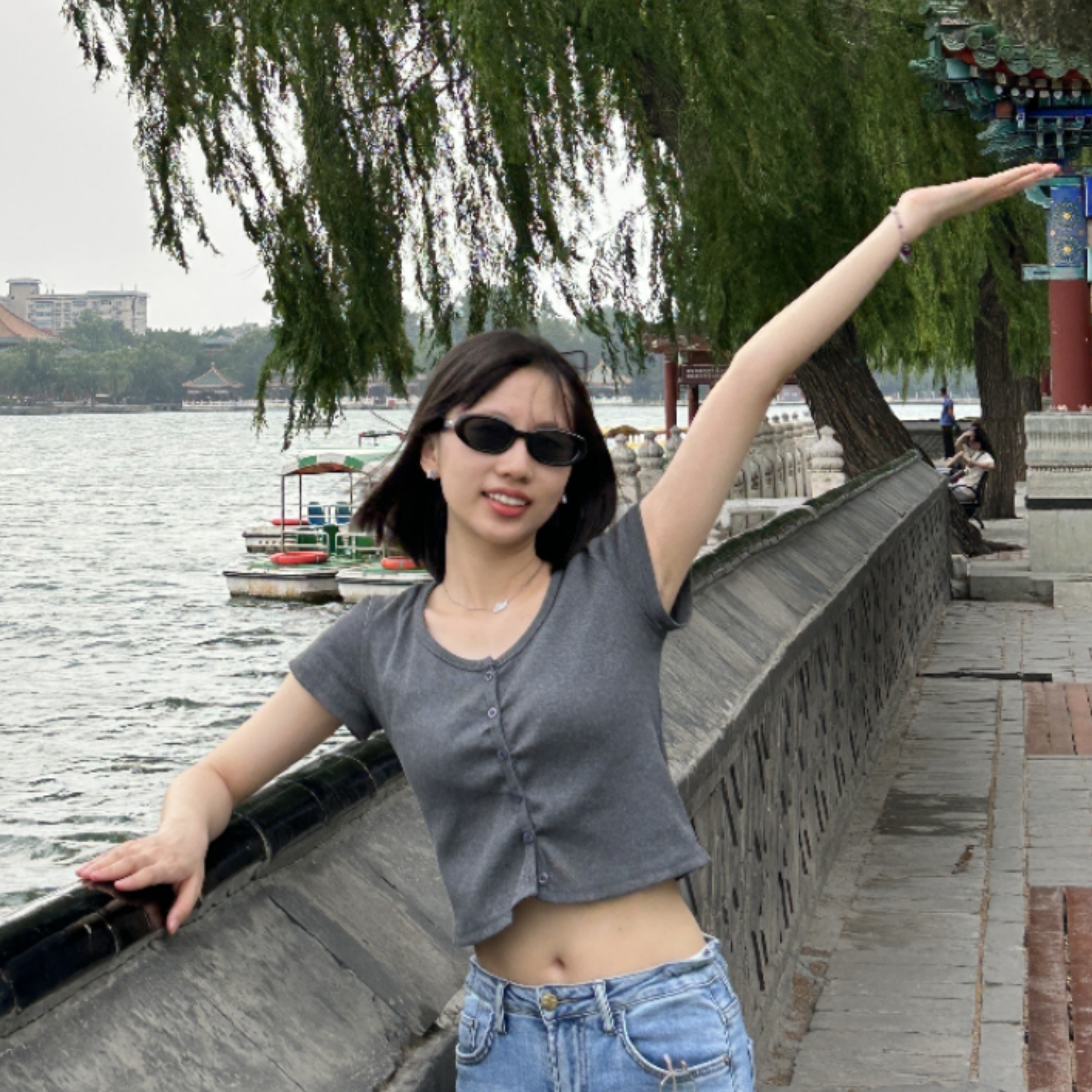
Lan Chen
neuroscientist at Duke, where he did his postdoctoral training with Michael
Platt, working on the neurobiology of reward and decision-making. From 2015 to
2018, he was an Assistant Research Professor in the Duke Institute for Brain
Sciences. In 2018, he moved back to the School of Medicine as an Assistant
Professor in the Department of Biostatistics & Bioinformatics, and in 2022, he moved to the
Department of Neurobiology. In addition, he maintains secondary
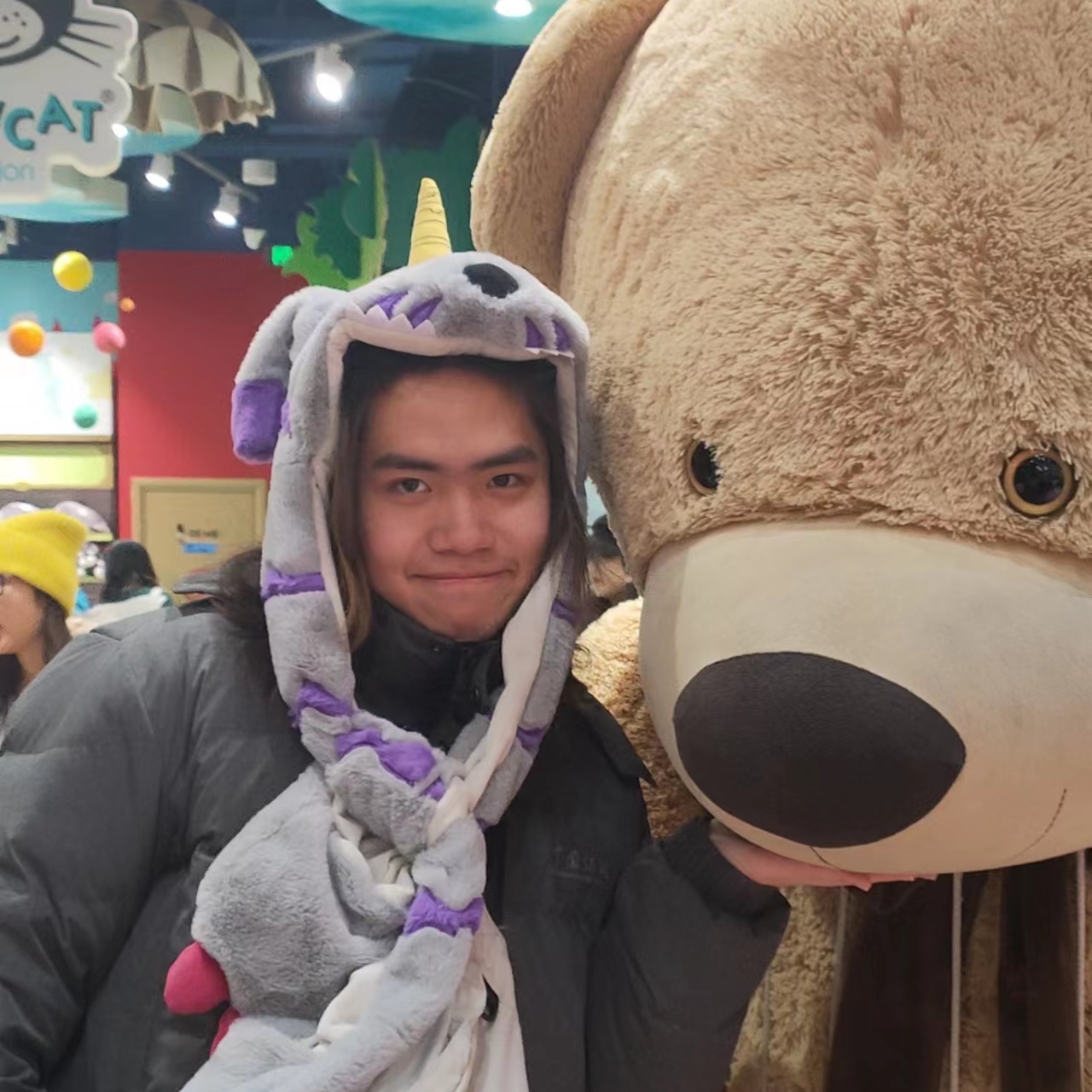
Zhen Fang
neuroscientist at Duke, where he did his postdoctoral training with Michael
Platt, working on the neurobiology of reward and decision-making. From 2015 to
2018, he was an Assistant Research Professor in the Duke Institute for Brain
Sciences. In 2018, he moved back to the School of Medicine as an Assistant
Professor in the Department of Biostatistics & Bioinformatics, and in 2022, he moved to the
Department of Neurobiology. In addition, he maintains secondary
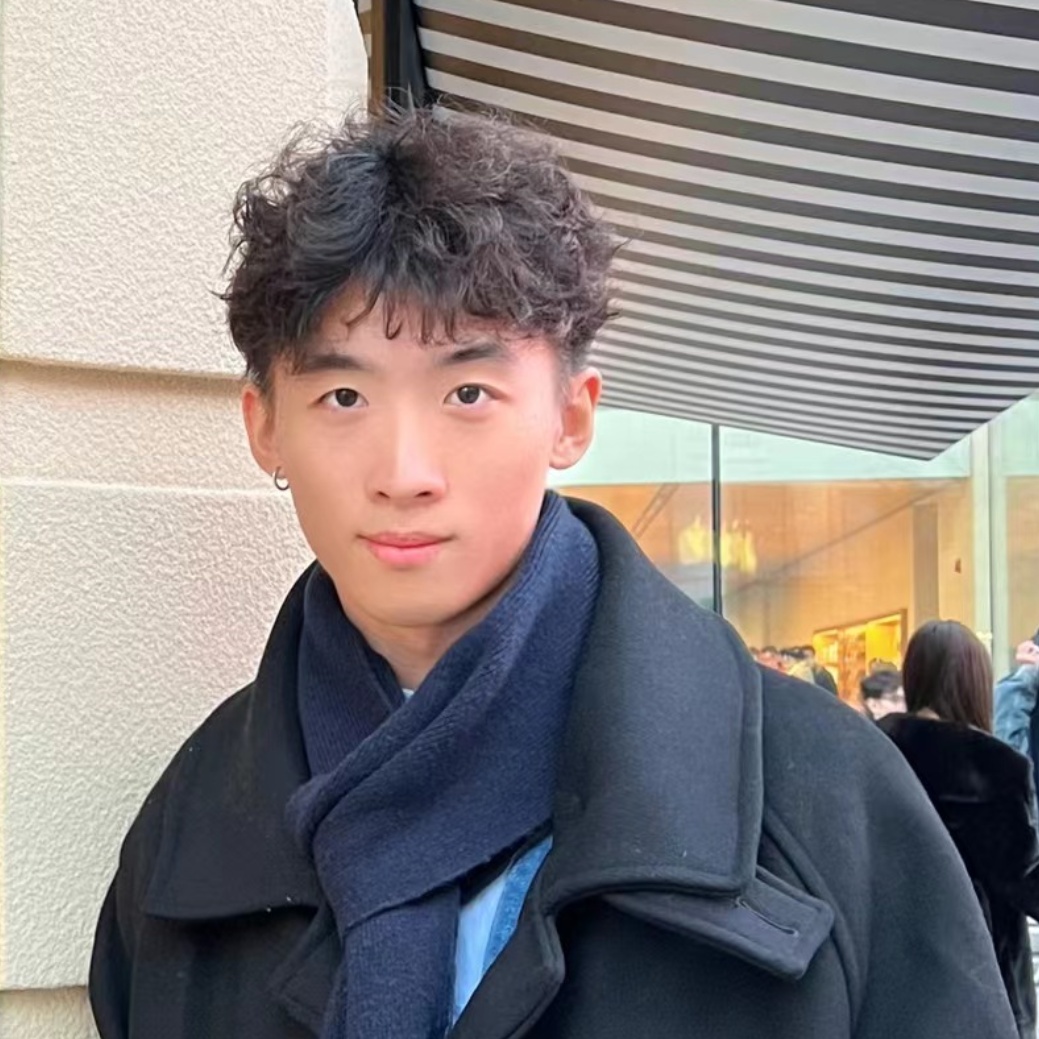
Zejie Tian
neuroscientist at Duke, where he did his postdoctoral training with Michael
Platt, working on the neurobiology of reward and decision-making. From 2015 to
2018, he was an Assistant Research Professor in the Duke Institute for Brain
Sciences. In 2018, he moved back to the School of Medicine as an Assistant
Professor in the Department of Biostatistics & Bioinformatics, and in 2022, he moved to the
Department of Neurobiology. In addition, he maintains secondary
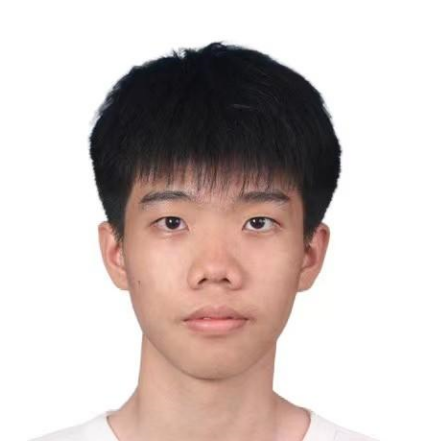
Zijian Wang
neuroscientist at Duke, where he did his postdoctoral training with Michael
Platt, working on the neurobiology of reward and decision-making. From 2015 to
2018, he was an Assistant Research Professor in the Duke Institute for Brain
Sciences. In 2018, he moved back to the School of Medicine as an Assistant
Professor in the Department of Biostatistics & Bioinformatics, and in 2022, he moved to the
Department of Neurobiology. In addition, he maintains secondary
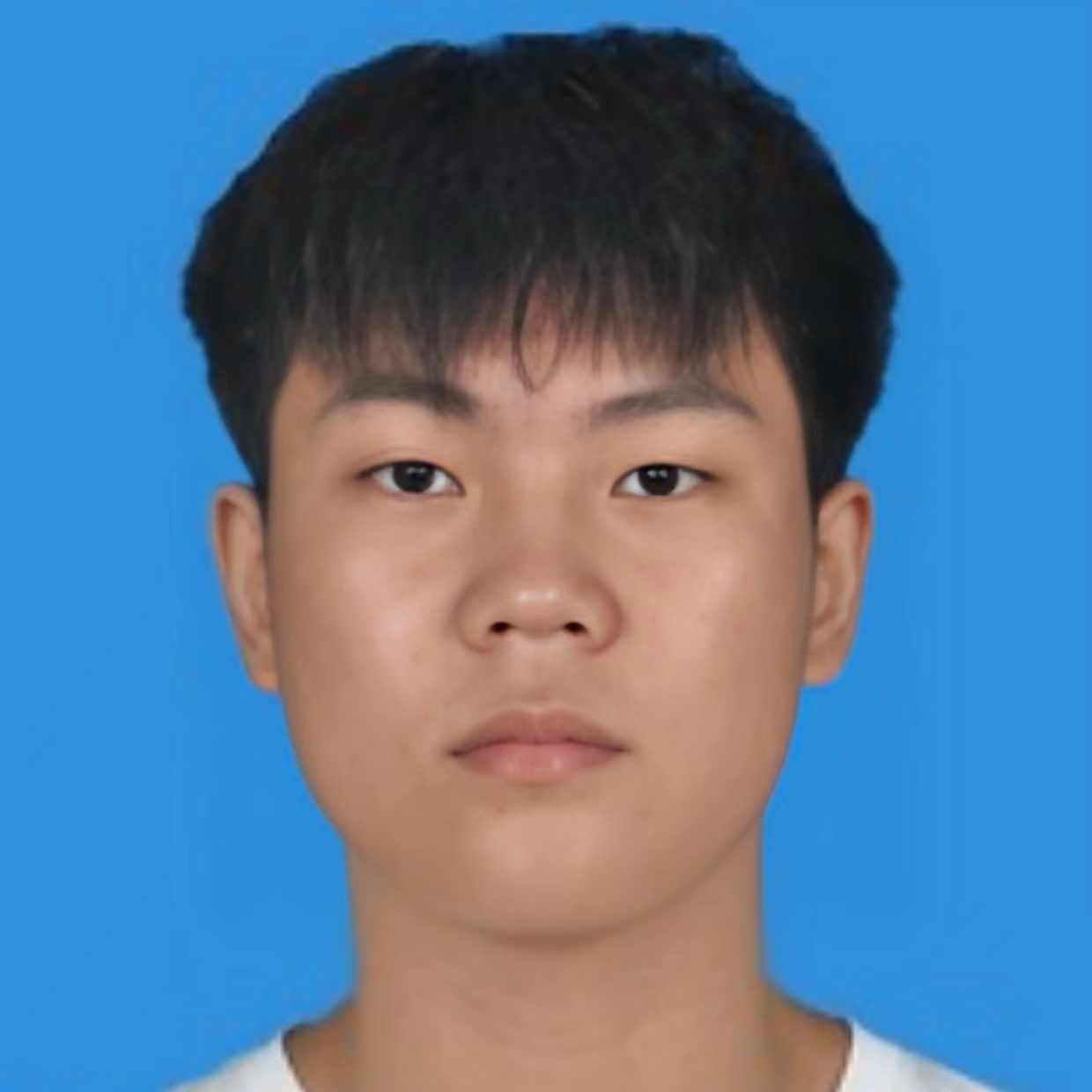
Yangyi Cao
neuroscientist at Duke, where he did his postdoctoral training with Michael
Platt, working on the neurobiology of reward and decision-making. From 2015 to
2018, he was an Assistant Research Professor in the Duke Institute for Brain
Sciences. In 2018, he moved back to the School of Medicine as an Assistant
Professor in the Department of Biostatistics & Bioinformatics, and in 2022, he moved to the
Department of Neurobiology. In addition, he maintains secondary
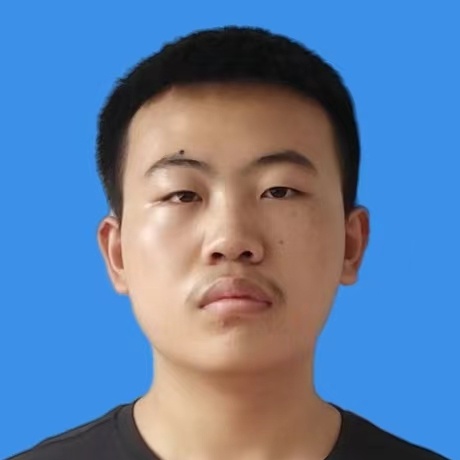
Wenliang Wei
neuroscientist at Duke, where he did his postdoctoral training with Michael
Platt, working on the neurobiology of reward and decision-making. From 2015 to
2018, he was an Assistant Research Professor in the Duke Institute for Brain
Sciences. In 2018, he moved back to the School of Medicine as an Assistant
Professor in the Department of Biostatistics & Bioinformatics, and in 2022, he moved to the
Department of Neurobiology. In addition, he maintains secondary
Intern
PhD:
- Bo Peng(2023-present)
Graduate Students:
- Lingzhou Wei(2023-present)
Undergraduates:
- Haokun Chen(2023-present)
- Qiaoyi Xu(2023-present)
- Qingqian Li(2023-present)
Alumni
- Chongyu Wang(Graduate Student,2021-2023):ChinaTelecom